
Winter RV Camping in Utah: A Guide

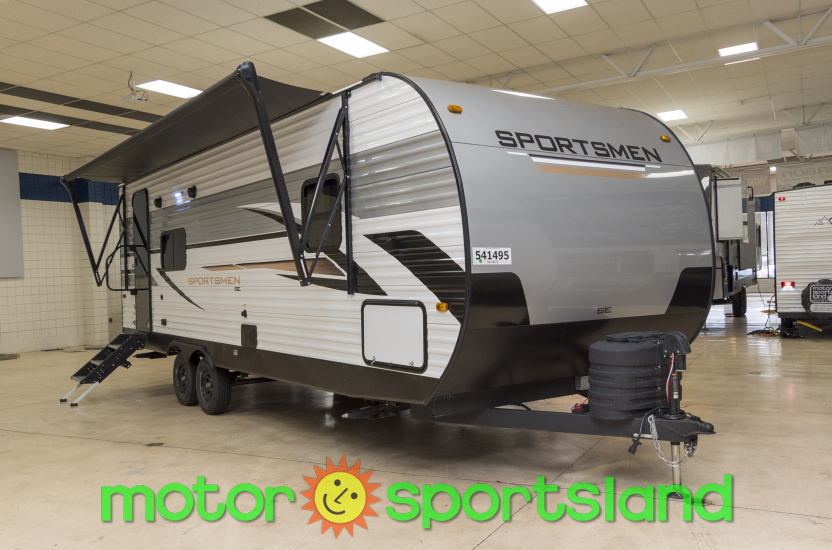
Winter RV camping in Utah is two jobs: keeping water from freezing and keeping the furnace fed. Everything else is comfort. Trailers handle cold fine when you set them up for it. The rough trips usually belong to people who towed out of the valley on a sunny Friday and assumed it would stay that way.
Keeping water lines and tanks from freezing
You have two choices in a Utah winter. Run the water system and protect it, or winterize and camp dry. Both work. Half protecting things and hoping for a warm night is what cracks a fitting.
If you want running water, start with a heated drinking water hose from the spigot to the inlet. A plain garden hose left full can freeze solid overnight in hard cold, and then you have no city water and a hose you cannot coil. Tank heater pads stick to the underside of the fresh, grey and black tanks. They come in 12V (battery) and 120V (shore power) versions, usually with a thermostat, and they help keep tank contents from freezing. Skirting helps keep the underbelly warmer.
Camping dry is simpler, and plenty of people do it all season with a winterized trailer and water jugs. Check your owner's manual or spec sheet for underbelly enclosure and tank heating details before you buy heaters.
Winter furnace and propane use in the cold
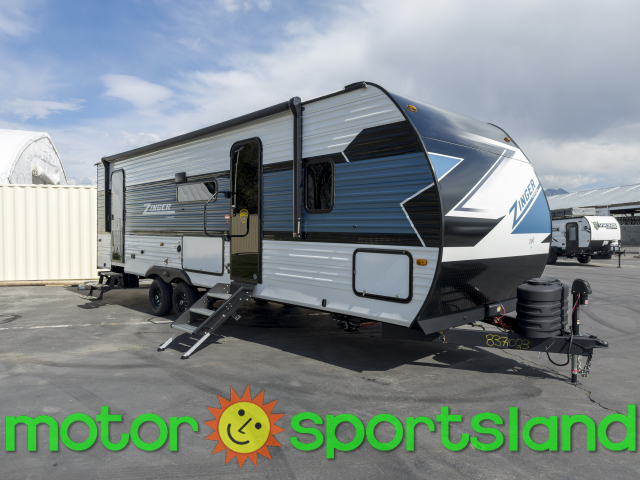
Run the furnace, keep the thermostat reasonable overnight, and crack open the interior cabinet doors that hide water lines so warm air can find them.
Plan on propane going faster than you expect. The furnace burns propane the whole time it runs and pulls battery for the blower, so a cold night can use several times what a summer night does. Among the new travel trailers we stock that list a furnace rating, most of the new ones on our lot run from 8,000 to 35,000 BTU, with 20,000 sitting in the middle. Total propane use depends on how much heat the trailer loses and how long the furnace runs, so note your furnace's BTU rating and bring a generous supply. Fill before you leave the valley, and top off on the way home, because a nearly empty bottle in cold weather delivers pressure poorly right when you need heat most.
Condensation, ventilation, and the air inside
Four people sleeping, one pot of chili, and one hot shower put a lot of water into the air, and cold windows pull it right back out as drips. You will see it first in the bedroom corners and behind the mattress. Run the bathroom and kitchen fans when you cook or shower, keep a roof vent or window cracked for ventilation even when it feels wrong, and check under the mattress for moisture. Moisture absorbers or a small dehumidifier help. Wiping the windows down in the morning saves you from a musty trailer in March.
Batteries and safety detectors in cold weather
Cold takes capacity away from every battery. A lead acid battery that runs your furnace blower for two nights in September may give you one night in January, and lithium will refuse a charge below freezing unless it has built in heating. Start fully charged, watch the voltage, and remember that snow-covered panels produce little. Most of the new ones on our lot that list solar run from 200 to 400 watts, and winter output is lower than summer.
Winter is when it matters most, because the trailer is closed up while the furnace runs. Never use the cooktop or oven for heat, and keep vents clear of snow.
Snow on the roof, the slides, and the road
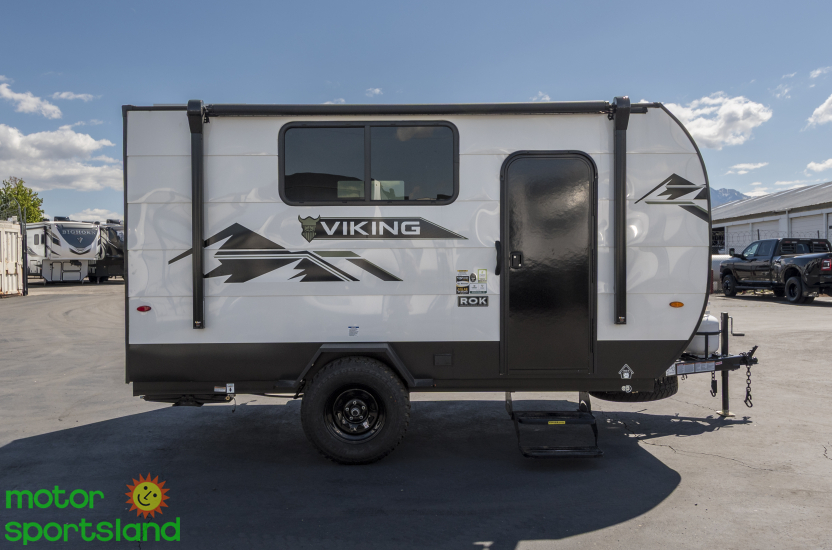
Slide roofs collect the worst of it. Before you retract a slide, sweep the slide top clean and check the seals for ice, following your slide manufacturer's guidance. Most of the new ones on our lot that have slides run from one to two, so this is a short chore.
Driving is the part people underestimate. Slow down well before the turn and leave plenty of room. Carry chains or other approved traction devices and check UDOT traction restrictions before you head up.
Sizing a trailer for Utah winters
| Spec | Typical low | Median | Typical high |
|---|---|---|---|
| Sleeps | 3 | 4 | 8 |
| Slides | 1 | 1 | 2 |
| Length (ft) | 17 | 25 | 31.58 |
| Ext Height (ft) | 9.83 | 10.58 | 11.25 |
| Hitch Weight (lbs) | 340 | 585 | 815 |
| Dry Weight (lbs) | 2,690 | 4,740 | 6,700 |
| Cargo Capacity (lbs) | 860 | 1,500 | 2,235 |
| Fresh Water (gal) | 26 | 40 | 60 |
| Grey Water (gal) | 25 | 34 | 70 |
| Black Water (gal) | 25 | 30 | 49 |
| Furnace BTU | 8,000 | 20,000 | 35,000 |
| AC BTU | 5,000 | 13,500 | 15,000 |
| Axles | 1 | 2 | 2 |
| GVWR (lbs) | 3,850 | 6,143 | 8,800 |
| Solar (watts) | 200 | 200 | 400 |
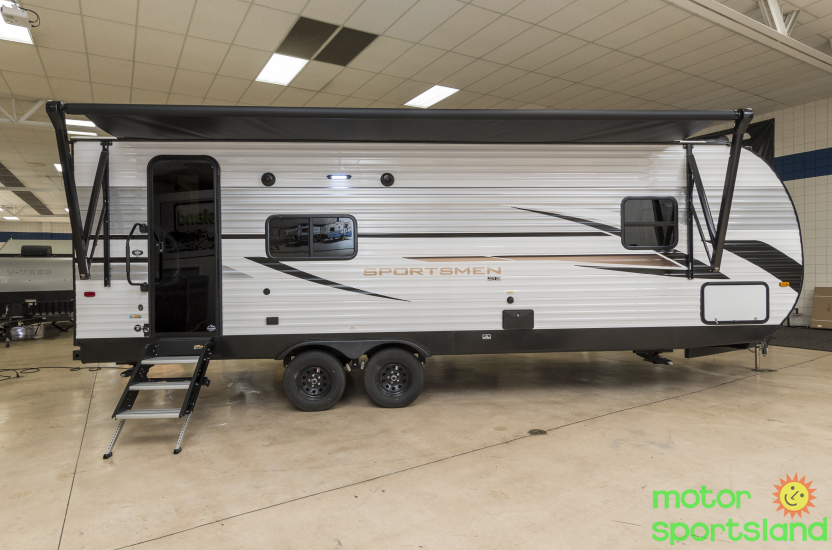
A few of those numbers matter more in winter than in July. Fresh tank size decides how long you can go between fills when the campground water is shut off, and most of the new ones on our lot run from 26 to 60 gallons. Grey capacity matters just as much, because dumping in freezing weather is a chore you want to do once. Listed exterior height is worth writing down before you shop for covered storage, and most of the new ones on our lot run from 9.83 to 11.25 feet. Parking rules vary by city, so check your own city's code for RV and trailer parking before winter, for example Salt Lake City's 48-hour street limit.
Frequently asked questions
Can I use my water system for winter RV camping in Utah?
Yes, with the right setup: a heated hose from the spigot, protection on the tanks and exposed lines, and the furnace running whenever temperatures are near freezing. If any one of those is missing, winterize the system and camp with jugs instead. Dry camping in the cold sounds like a sacrifice until the first time a neighbor spends Saturday thawing a drain valve.
Will the furnace keep my pipes from freezing on its own?
Those need their own protection no matter how warm the inside is.
How much propane will I go through on a cold night?
More than you think, and it depends on furnace size, how well the trailer is sealed, and how low it gets overnight. Arrive full, know where you can refill nearby, and watch the level rather than guessing.
What should I check before the first cold trip?
Test the carbon monoxide and propane detectors and look at their expiration dates. Check the battery state of charge, since cold cuts into capacity. Look over the roof and slide seals for cracks before snow gets a chance to sit in them. Then confirm your tow setup, chains included. Visit our Millcreek or Spanish Fork store to talk with our team about winter camping setups and see what we have in stock.
Browse travel trailers for sale in Utah, travel trailers for sale in Utah or all our inventory.
