
RV Water Heater Draining and Anode Check

Why RV water heater draining and anode check belongs on your fall list
Water left in a tank through a Utah winter is a cracked tank waiting to happen. That's the short version. Freezing water expands, and the tank, the drain fitting and the plumbing around it all pay for it. Draining the water heater is one of the cheaper jobs you'll do all year, and it takes most owners under an hour once they've done it a couple of times.
While the tank is open is also the only sensible time to look at the anode rod, if your heater uses one. The rod is a sacrificial piece of metal that corrodes instead of your tank. Most owners pull it once a season and replace it when it's eaten down.
Prepare before you open anything
Turn the water heater off and let it cool. Not warm. Cool. A tank that's been heating all afternoon will hold water hot enough to scald, and there's no good reason to rush it. Most people shut it down the night before and drain in the morning.
Shut off the water supply next. Disconnect from city water, turn off the pump, and open a hot water tap inside to break the vacuum so the tank will actually empty instead of gurgling at you. If your heater runs on propane, leave the gas side alone. Anything involving the propane supply, the burner or the electrical heating element and wiring should be handled by our service department. Turning the unit off at the switch is fine. Going further than that isn't a DIY job.
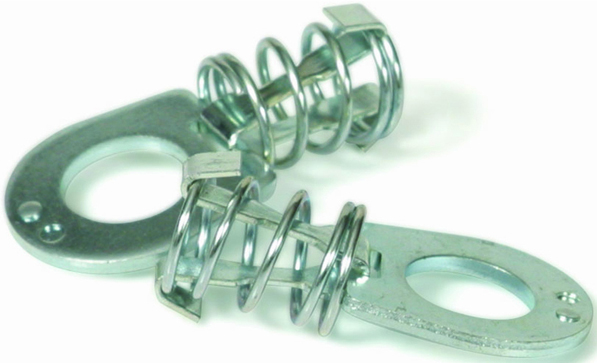
Then get the exterior access door open. If the latch is broken, cracked or spinning without catching (and plenty are after a few seasons in the sun), the Camco Cam Lock (water Heater) Steel 2/card replaces water heater door latch assemblies quickly, and it comes two to a card so you have a spare. The same latch also works on gas bottle cover access doors. Our parts counter can confirm which latch matches your door before you buy.
Lay out a bucket, a container for the water, and a garden hose. Park with the drain side slightly downhill if you can. It helps the last of the water find its way out.
Doing the work: drain, pull the rod, flush
Open a hot water tap inside first. That lets air in. Then remove the drain plug or the anode rod, depending on which your heater has. Water will come out fast and it will be dirty. Stand clear of it and let the tank empty on its own.
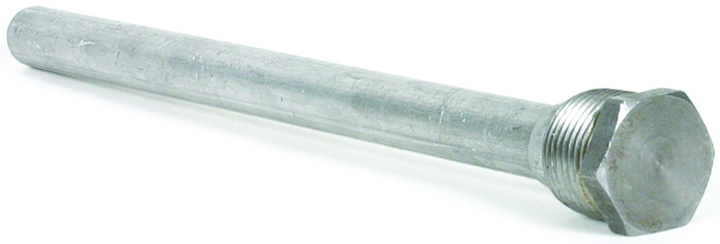
Once the flow stops, look at the rod you just pulled. A fresh rod is a solid cylinder. A used one looks chewed, thin in spots, sometimes down to the bare steel core. The usual guidance is to replace it when it's lost most of its material. If you've got a Suburban (Mor-Flo) heater, the Camco Anode Rod - Alum 3/4 - 14 Npt X 9-1/2 L X 0.625 Od (suburban Morflo) is the aluminum rod made for those heaters, 0.625 inch outside diameter and 9-1/2 inches long per its listing.
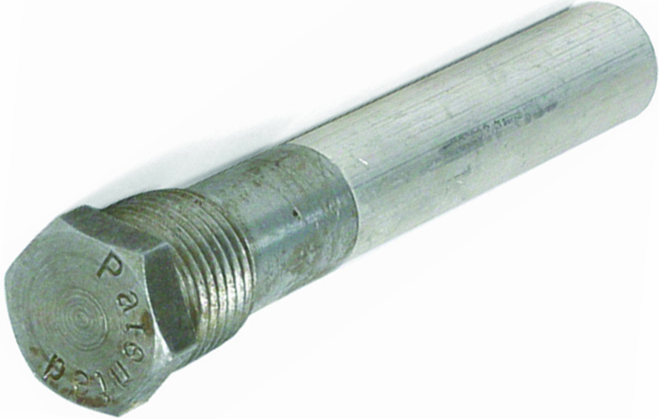
For Atwood heaters, the Camco Anode Rod - Mag 1/2 -14 Npt X 4-1/2 L X 0.600 Od (atwood) is the magnesium rod for that application, 0.600 inch outside diameter and 4-1/2 inches long. The two aren't interchangeable, and they're not the only configurations out there. Bring your old rod or your heater's label to our parts counter and we'll match it rather than guessing.
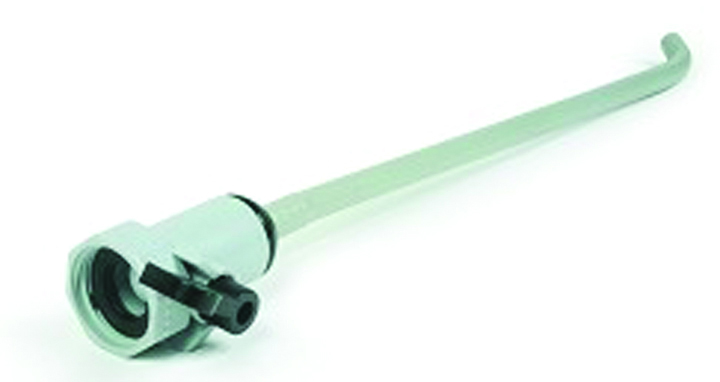
Now flush the sediment. Draining alone gets the water out. It doesn't get the gritty calcium layer sitting on the bottom of the tank, and Utah water leaves plenty of it. The Camco RV Water Heater Tank Rinser, Card connects to any garden hose and goes in through the drain valve opening, sending a concentrated stream of fresh water into the tank. The angled tip flushes sediment back out the drain opening, and there's a handy built-in, thumb-operated water on/off valve so you're not running back to the spigot. It's 13 inches long and made of high-impact plastic that won't rust or corrode.
Work the rinser around inside the tank in short bursts and watch what comes out. Keep going until the water runs clear. On a tank that hasn't been flushed in a few years this can take a while and the first few seconds can be startling.
When the tank is clean, thread the anode rod or drain plug back in snug. Don't gorilla it. For winter storage, some owners leave the plug out entirely so there's no chance of trapped water, and store it in a labeled bag in the heater compartment. Either approach works as long as you remember what you did.
Check it afterwards
Look for standing water in the compartment floor and around the base of the tank. A puddle after everything's drained usually means the plug isn't seated properly.
If you reinstalled the plug, the real test comes in spring. Fill the tank with the heater still off, let the pressure come up, and check around the plug for drips before you turn anything on. A weep that shows up under pressure won't show up on a dry tank.
Also check the rest of the winterizing while you're back there. The water heater needs to be bypassed before you pump antifreeze through the system, otherwise you'll fill the tank with pink stuff for no reason. If your rig doesn't have a bypass kit, or you're not sure whether yours is set correctly, our service department can look at it and handle the full winterization.
Last thing: write the date on a piece of tape and stick it inside the access door. Knowing you pulled the rod in November 2026 is worth more next fall than trying to remember.
Frequently asked questions
How often should I check the anode rod?
Most owners check it once a season, usually when they drain for winter storage, and replace it when most of the material is gone. Harder water and heavier use will eat a rod faster, so if yours comes out badly corroded after one season, check it twice next year.
Does every RV water heater have an anode rod?
No. Some heaters use a plain drain plug instead, and the tank is built with a corrosion-resistant lining rather than a sacrificial rod. Pull your plug and look at it, or bring your heater's model information to our parts counter and we'll tell you which one you've got.
Can I just drain it and skip the flush?
You can, and the tank won't freeze. But flushing accumulated sediment from the tank helps prevent corrosion, restore heating efficiency and extend water heater life, so a flush every year or two is worth the ten extra minutes.
Do I need to drain the water heater if I store the RV indoors?
If the storage space stays reliably above freezing, the freeze risk goes away, but stale water sitting in a tank for months isn't great either. Draining it is still the standard recommendation for any extended storage.
What if the drain plug or anode rod won't budge?
Stop before you round off the fitting or crack the tank boss. A seized plug usually needs penetrating oil, the right six-point socket and some patience, and if that doesn't do it, bring it to our service department instead of forcing it.
Parts in this post:
- Camco Anode Rod - Alum 3/4 - 14 Npt X 9-1/2 L X 0.625 Od (suburban Morflo)
- Camco Cam Lock (water Heater) Steel 2/card
- Camco Anode Rod - Mag 1/2 -14 Npt X 4-1/2 L X 0.600 Od (atwood)
- Camco RV Water Heater Tank Rinser, Card
Order now: call our parts counter at 801-262-2922, or stop in at either store, Millcreek in Salt Lake City or Spanish Fork. Browse all our RV parts and accessories.
